
Maybe it is the back half of your property that disappeared under brush years ago. Maybe it is a wooded lot you bought with big plans that never got started. Or maybe it is a fence line you have not been able to see since the last owner moved out. If you have been putting off lot clearing in Sicklerville, NJ, late fall is one of the best times to finally take care of it.
Overgrown land does not fix itself. Every season, vines climb higher, brush gets thicker, and small saplings turn into real trees. The longer you wait, the bigger and more involved the job becomes.
This guide walks you through why fall and early winter work so well for clearing, what kind of clearing your land actually needs, what happens on the day of the job, and how to plan the project around your goals. No pressure. No guesswork. Just a clear picture of what it takes to turn overgrown land into a blank canvas.

Why Late Fall Is a Good Time for Lot Clearing in Sicklerville, NJ
Most people think about clearing land in spring, when they are ready to build, plant, or put up a fence. But the work itself often goes better in the colder months. Here is why.
You Can See What You Are Working With
Once the leaves drop, the layout of an overgrown lot opens up. You can spot property markers, old fences, drainage ditches, and the trees you actually want to keep. In summer, all of that hides behind a wall of green. That visibility helps you and the crew make better decisions about what stays and what goes.
Brush Is Easier To Manage
Dormant brush and vines are lighter and less dense than they are in peak growing season. There is less leafy material to work through, and many plants have stopped pushing new growth. That can make the job more efficient and help keep your project on schedule.
You Are Ready for Spring Projects
If you want to build an addition, install a pool, add a garden, or put up a new fence next year, clearing in late fall gives you a head start. When spring arrives, your land is ready to go instead of waiting in line with everyone else who had the same idea in April.
What Is Growing on Your Overgrown Lot?
Before you clear, it helps to know what you are dealing with. In South Jersey, a lot of overgrowth is not just random brush. Much of it is made up of invasive plants that spread fast and crowd out everything else.
Invasive Plants Take Over Fast
According to Rutgers Cooperative Extension’s guide to invasive plants in New Jersey, invasive species can outcompete native plants and form dense stands made up of almost nothing else. Plants like multiflora rose, Japanese barberry, and Callery pear are common examples. Once they take hold, they can turn a usable yard into a thicket in just a few seasons.
Why Early Action Matters
The same Rutgers guidance notes that invasive plants are much easier to get rid of when you catch them early. That lines up with what our crews see in the field. A lot that has been neglected for two years is a much simpler job than one that has been left alone for ten.
Know What You Want To Keep
Clearing does not have to mean wiping the land bare. Many homeowners want to keep a few healthy shade trees, a natural buffer along the property line, or a section of woods for privacy. Walk the lot before the job and make a list. The crew can work around the trees and areas that matter to you.
What Type of Lot Clearing Does Your Property Need?
Not every property needs the same approach. The right method depends on how dense the growth is, what the ground looks like, and what you plan to do with the space afterward.
Brush Mowing for Lighter Overgrowth
If your lot is mostly tall grass, weeds, and smaller brush, heavy duty brush mowing may be all you need. It knocks the growth back quickly and gives you a clean, open area to work with. This is often a good fit for overgrown fields and back acreage.
Forestry Mulching for Heavier Growth
For thick brush, vines, and small trees, forestry mulching is often the better choice. Greg Smith Tree Service uses a Bobcat Forester to grind trees and dense brush down right on site. The material is turned into mulch and left on the ground, so there is no hauling and no burning. That keeps the job cleaner and less disruptive to your property.
Fence Lines, Trails, and Boundaries
Sometimes you do not need the whole lot cleared. You just need a fence line opened up, a trail cut through the woods, or a clear boundary between your property and the neighbor’s. Targeted clearing like this is a common request, and it can make a big difference in how usable your land feels. Learn more about the full range of options on our lot clearing services page.
How Long Does Lot Clearing Take?
It depends on the size of the area, how thick the growth is, and what equipment the job calls for. A small backyard section of brush might take a few hours. A large wooded lot with mature trees can take several days.
Ground conditions matter too. Very wet ground can slow work down, while firm ground makes it easier to move equipment safely. Late fall often brings firmer soil before the deep winter freeze and thaw cycle sets in, which is one more reason the timing works well.
The best way to get a real answer is to have the crew walk the property with you. You will get a clear idea of the timeline before any work begins, so you can plan around it.
What Happens on the Day of Your Lot Clearing Project?
It Starts With a Free Estimate
Before anything else, the crew walks the land with you. They look at the density of the growth, the terrain, any trees you want to keep, and how equipment will get in and out. You get a free, no obligation estimate that explains what the job includes. Your land. Your timeline. Your decision.
Matching the Equipment to the Job
On the day of the project, the crew brings the equipment that fits your property, whether that is a brush mower, the forestry mulcher, or both. Work is done carefully around anything you have asked to protect, like healthy trees, fences, or outbuildings.
Leaving You With Usable Space
The goal is simple: open, usable space with better visibility. When the job is done, you can walk your property, see your boundaries, and start planning what comes next. If stumps are left behind and you want them gone before a building or planting project, that can be part of the conversation during your estimate.
Choosing a Team for Lot Clearing in Sicklerville, NJ
Clearing land is never a quick task. It involves heavy equipment, falling trees, and real risk to people and property if it is done wrong. That is why who you hire matters.
Look for Licensing and Insurance
Always ask for proof that a company is licensed and insured before work starts. Greg Smith Tree Service is fully licensed and insured, with NJTC License #768419. A good crew will share that information without hesitation.
Work With Local Neighbors
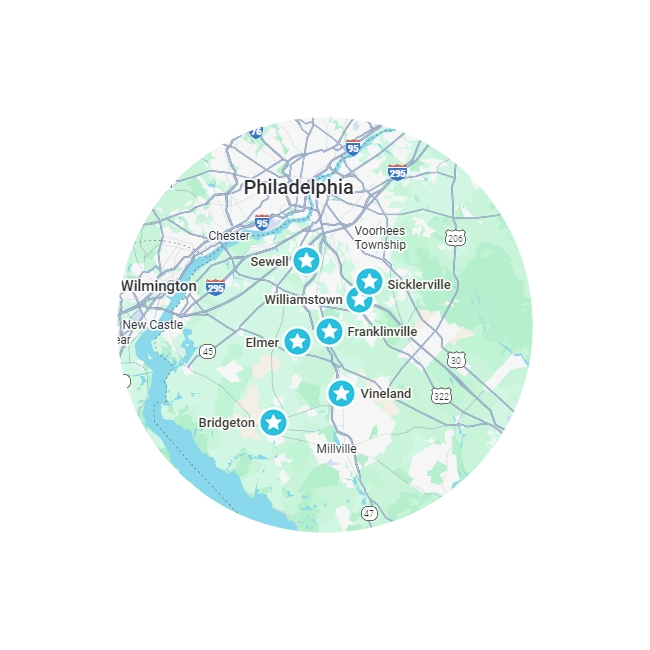
Greg Smith Tree Service is a family owned team that has been serving South Jersey since 2010. We are not just a business. We are your neighbors. Our crews work throughout Sicklerville and the surrounding communities, and we treat every property like a home, not just a job site. You can learn more about our work in your area on our tree service in Sicklerville, NJ page.
Turn Overgrown Land Into a Fresh Start
Lot clearing in Sicklerville, NJ is easier to plan in late fall than most homeowners expect. Bare branches make the land easier to read. Dormant brush is easier to manage. And your property is ready for spring projects before the busy season begins. Just as important, clearing invasive growth sooner rather than later keeps the job smaller and more affordable over time.
If there is a part of your property you have been meaning to take back, now is a great time to start. Contact Greg Smith Tree Service to request your free, no obligation estimate and get a plan that fits your property, your timeline, and your goals.